
Invisalign: The Clear Path to a Confident Smile
Invisalign is the most discreet approach to straighten your teeth, so no one needs to know you’re wearing them. It is a non-traditional orthodontic therapy that can help repair crowded teeth, crooked teeth, cross bites, underbites, or overbites (yes, there are many different bites!). Even better, you can do all of this while wearing clear, thin, custom-made aligners that are removable.
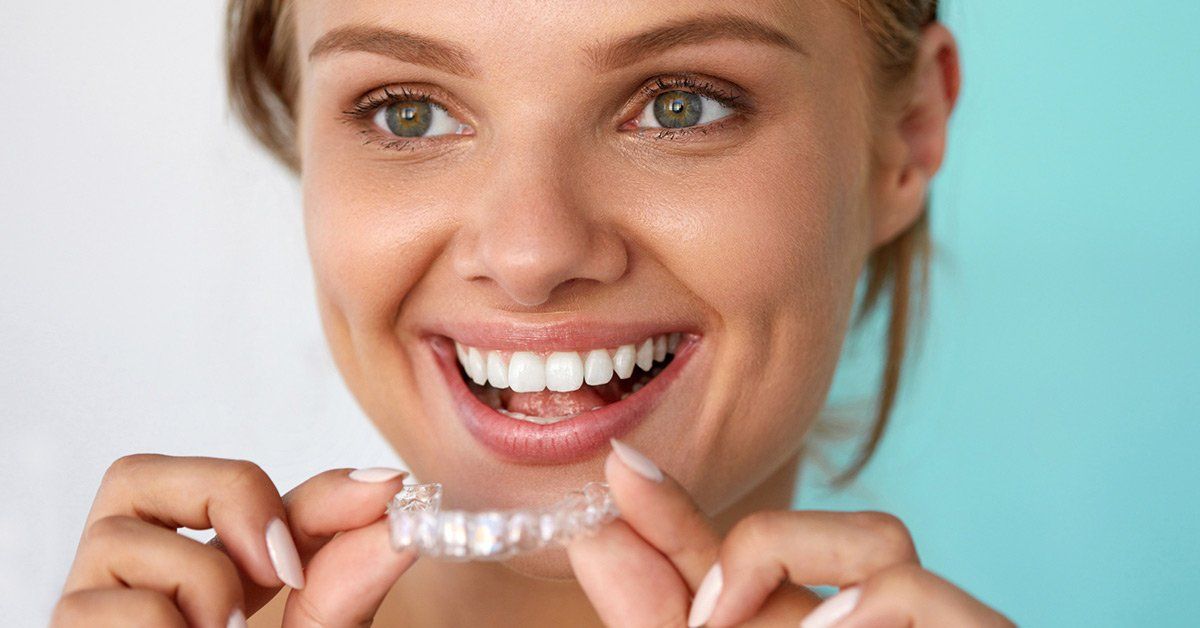
Invisalign is a revolutionary orthodontic treatment that utilizes a series of clear, custom-made aligners to gradually shift teeth into their desired positions. The aligners are virtually invisible, making them an appealing choice for those who wish to straighten their teeth discreetly.
Why Invisalign Matters?
Invisalign offers numerous advantages that set it apart from traditional braces:
- Discreet Appearance. Invisalign aligners are clear and barely noticeable, allowing you to undergo orthodontic treatment without drawing attention to your teeth.
- Removable Design. The aligners can be easily removed for eating, drinking, brushing, and flossing. This means you can continue to enjoy your favorite foods and maintain your oral hygiene routine without any hindrance.
- Comfort. Invisalign aligners are made from smooth, comfortable material that minimizes irritation to the cheeks and gums.
- Customization. Each set of aligners is custom-designed to fit your unique dental anatomy, ensuring a precise and effective treatment.
- Predictable Results. The Advanced technology allows you to visualize your treatment plan and the expected final result before you even begin wearing the aligners.
The Invisalign Treatment Process Unveiled:
Embarking on your Invisalign journey involves several stages that lead to a beautifully aligned smile:
- Consultation. The dentist will evaluate your teeth and bite, discuss your goals, and determine if Invisalign is the right choice for you.
- Treatment Plan. Using digital imaging and 3D technology, your dentist will create a customized treatment plan. You’ll have the opportunity to see a virtual representation of how your teeth will move and the expected final outcome.
- Aligner Fabrication. Based on your treatment plan, a series of custom aligners will be created. Each aligner is designed to gradually shift your teeth into their desired positions.
- Wearing the Aligners. You’ll wear each set of aligners for about two weeks, removing them only to eat, drink, brush, and floss. As you progress through the aligners, your teeth will gradually move closer to their final positions.
- Progress Checkups. Regular checkups with your dentist or orthodontist will ensure that your treatment is progressing as planned. New sets of aligners will be provided during these visits.
- Finishing Touches. Once you’ve completed your aligner series, your dentist will provide you with a retainer to help maintain your new smile.
How long does the Invisalign treatment take?
The length of treatment is determined by a variety of factors. Treatment ranges from simple to complex, and a patient’s cooperation is critical in determining how long treatment will take. If you forget to wear your aligner, the process will be slowed.
Is Invisalign treatment painful?
Clear aligners are used in conjunction with Invisalign attachments. The attachments are constructed of composite resin, which is a tooth-colored material that attaches to the tooth and provides a larger surface area for the aligner to grab on to, aiding in the movement of your teeth. Invisalign is far more pleasant for most people than traditional braces.
Braces vs. Invisalign for Overbite
The aims of traditional metal braces and Invisalign are the same: straighter teeth, greater dental health, and an improved smile. The procedure used to straighten teeth differs between the two treatments. The optimum treatment for you will be determined by your dental condition as well as your particular preferences.
Several considerations must be considered before you and your dentist decide whether to use Invisalign or traditional braces.
One of the most common reasons people get Invisalign or braces is to treat an overbite. According to the American Dental Association, overbites account for about 70% of dental-related issues in youngsters. Overbites are classified according to their type and severity, which determines the appropriate treatment.
There are two types of overbite:
- Vertical overbite occurs when the upper teeth overlap the lower teeth more than usual.
- Horizontal overbite (also known as Overjet) happens when the top teeth protrude more than the lower teeth.
Traditional metal braces are commonly used by dentists to address severe vertical and horizontal overbites. Because they are not removed during treatment, metal braces are the most effective treatment for most overbites.
ABC Smiles Dentistry Cosmetic Services
Get In Touch With Us

Call us anytime
P: 732 99-SMILE (997-6453)
F: 848 777 9770
Book An Appointment
Book a visit to ABC Smiles Dentistry, simply fill out the form below and we will contact you back regarding the intervention you require.